one name in a row, a toy out
type a name in a table and three derived columns fill themselves in: a pixel sprite from a sandbox, a 3D voxel toy from a process, and a clean cut-out from a model.
The brief is small and a good test of how ixi's parts connect: give each pixie a toy. You type a name into a row. A pixel sprite of that pixie appears, then a 3D voxel toy of it, then a copy of the toy with the background removed, ready to drop onto anything. Ten rows deep, nobody touches the pictures.
It is one table node with four columns. Three of them are derived: each takes its inputs from the columns to its left, so filling a row runs the chain left to right.
| column | type | filled by |
|---|---|---|
| Name | text | you |
| Sprite | image | a sandbox, Pixie Sprite Generator |
| 3D render | image | a process, 3D Voxel Toy Creator |
| BGREMOVED | image | a model, 851-labs/background-remover |
1 · the name becomes a sprite
The Sprite column is bound to a sandbox node, a small app that draws the pixie from a name. Its inputs are the name, a theme, a background colour, accessories, a role and a state. The table fills the name from the row's Name cell, and the rest are set once for the whole column. No image model is involved: the sandbox draws the sprite from code.

2 · the sprite becomes a toy
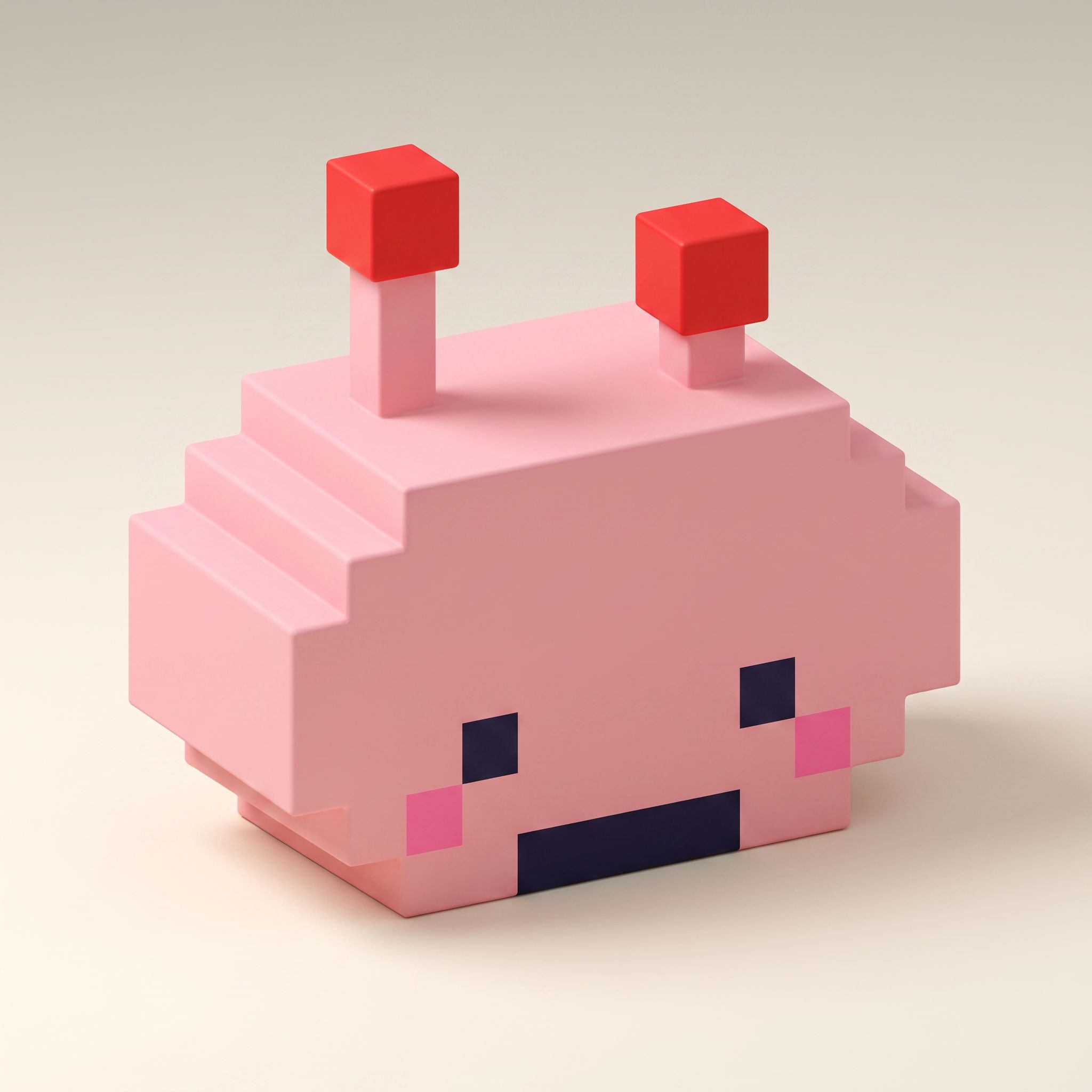
The 3D render column is bound to a process, 3D Voxel Toy Creator. It has one input, a pixel sprite image, and the column wires the sprite into it. Its recipe renders the sprite as a physical voxel designer toy, in a constant reference style and studio setting, with Nano Banana Pro. Each row's request is written from the name: "Make 3d avatar of {{Name}} pixie".
Each cell is therefore a run of the process, with a resident pixie working it on its own canvas. Because the column asks for approval, results wait: nothing lands in a cell until a person has approved the run.
3 · the toy becomes a cut-out
The last column is bound to a plain model, a background remover, and its input is the 3D render column. It needs no pixie, no process and no review, so it fills as soon as the render is in.

what the table shows
Ten rows, eight with all three columns filled in: one failed at the approval step and one has only a name so far. Around the table the canvas keeps the experiments that led to it: concept toys in vinyl, plush and chrome from Nano Banana Pro, Seedream 5 Lite and GPT Image 2, and a 3D model made with Hunyuan 3D 3.1.
what to borrow
- Bind a column to a thing that already works. A sandbox, a process or a model: derived columns and tables.
- Wrap the creative step in a process. make a process, with runs.
- Choose where a human looks. Approval on the expensive column only: review and improve.
- Use code where you want exactness. live apps.
- Find a row later. search.
checked against the product · 2026-10-23